


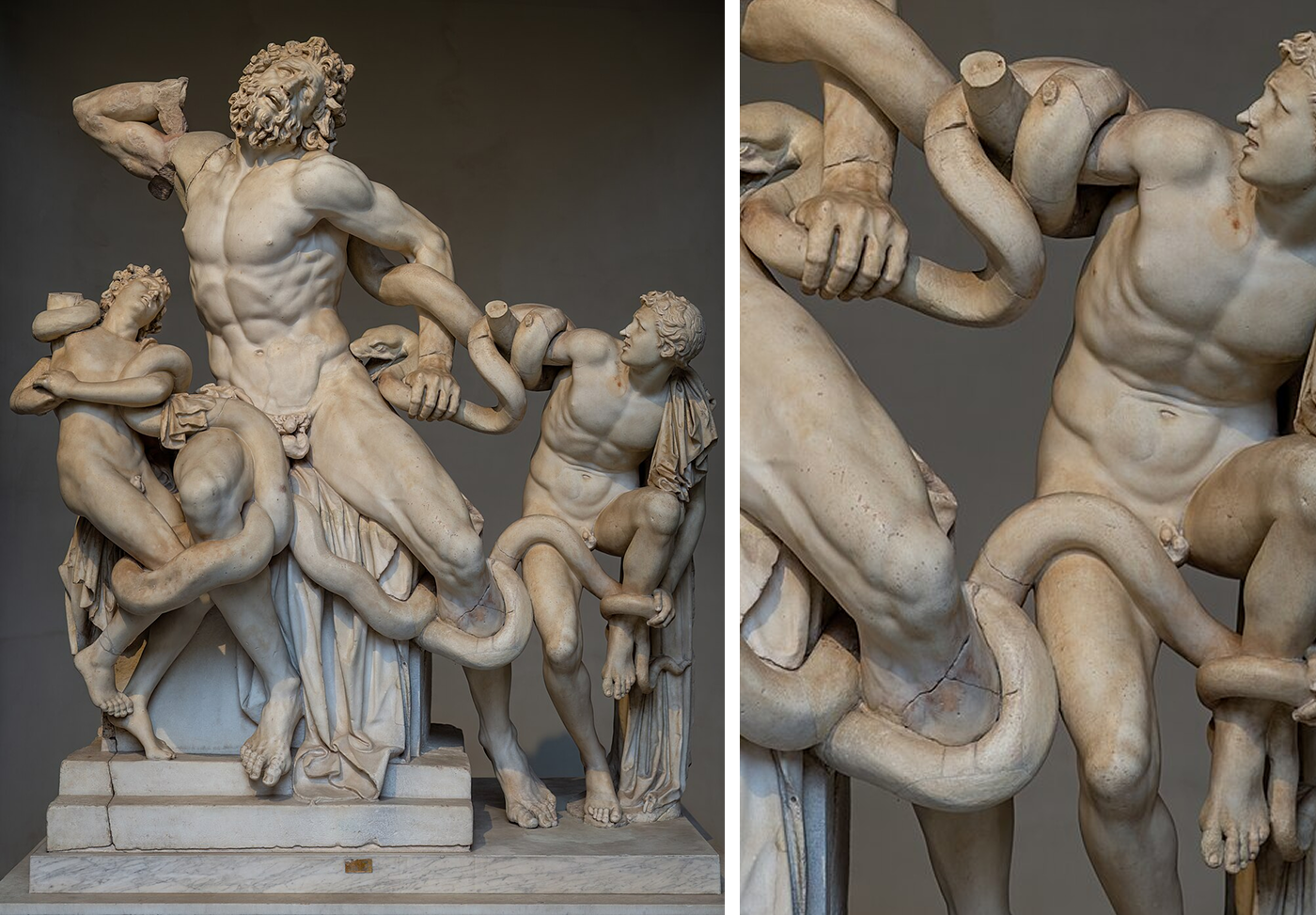
Leonardo da Vinci famously said, "Details make perfection, and perfection is not a detail." In the world of sculpture, this rings especially true. The finest works are defined not just by their overall impact but by the intricate details that bring them to life. Here, we introduce you to our favorite five sculptures that exemplify this mastery, where every detail has been meticulously carved to perfection.

There’s no nice way to put it: in medieval art, babies were pretty damn ugly.
But why?

It’s not because artists hadn’t worked out how to paint them properly – in fact, this was a deliberate stylistic choice… In medieval artwork, one baby popped up a whole lot more than the others: Jesus Christ.

There was a popular notion that Jesus was born “perfectly formed” and remained “unchanged” over time; this led to artists depicting him as a sort of weird little old man – and influenced portrayals of other babies too!

This all changed with the dawn of the Renaissance, and a new emphasis on realism in art.

Plus, as artists began to embrace non-religious subjects, wealthy patrons could commission portraits of their own families – and they didn’t want their own children looking like little old men!

So, ugly babies were out and cute babies were in. Way less disturbing, but nowhere near as fun…

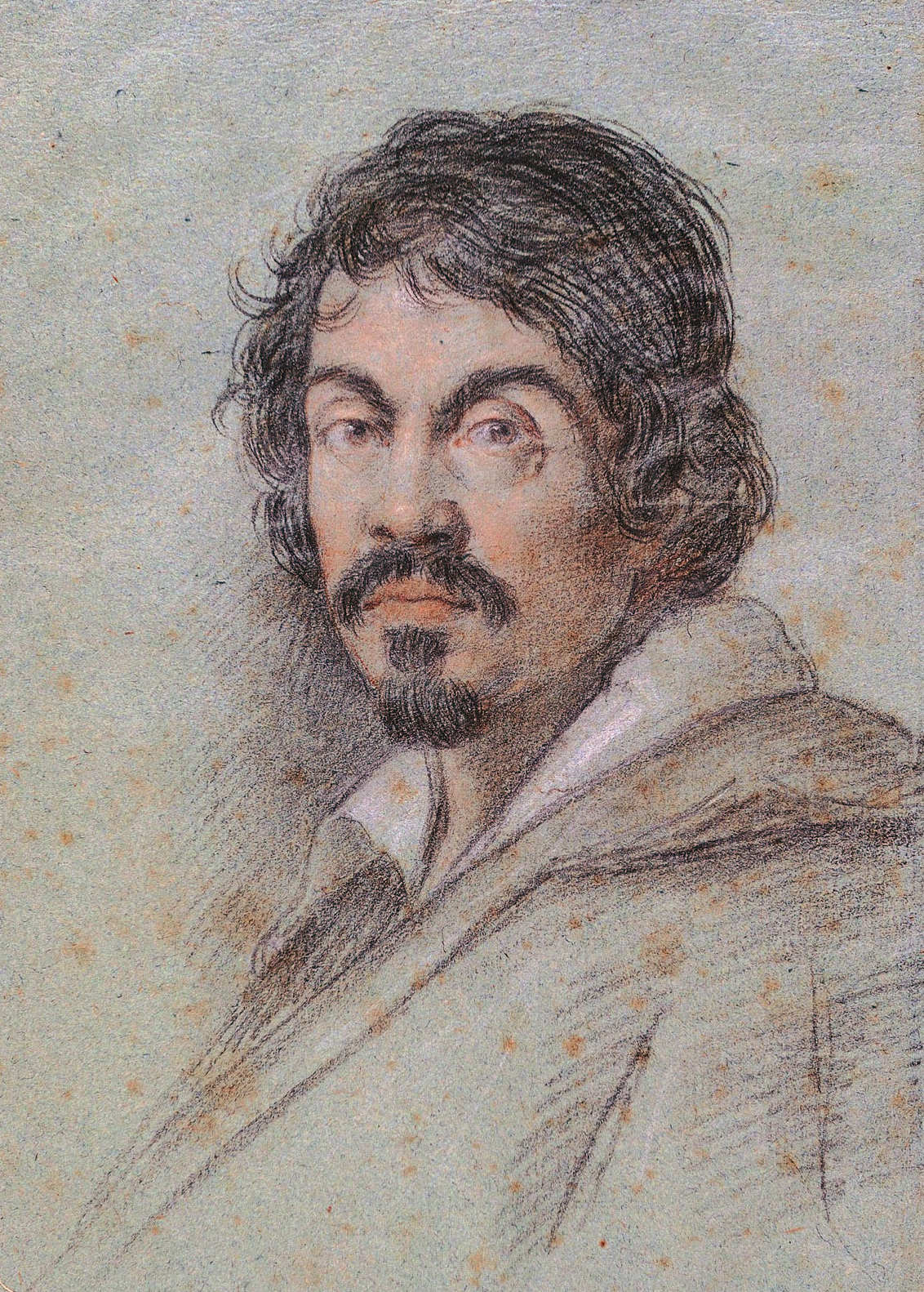
Michelangelo Merisi da Caravaggio didn't just paint scenes of violence and darkness, he lived them. The revolutionary Baroque painter who transformed art history was also a murderer, who spent his final four years creating masterpieces while running from execution.
On May 28, 1606, Caravaggio got into a fight over a tennis match with a man named Ranuccio Tomassoni. Swords were drawn. When it ended, Tomassoni lay dead and Caravaggio had a severe wound to his head. Whether it was self-defense or murder, 16th-century Roman law didn't care. The penalty was death by beheading.
Caravaggio fled Rome with a price on his head. The papal edict declared that anyone could kill him without consequence and bring his head to authorities for a reward. He would never return to Rome alive.
What's extraordinary is that Caravaggio produced some of his greatest works while on the run. He escaped to Naples, then Malta, then Sicily, painting masterpieces at each stop to earn the protection from powerful patrons. Each painting grew darker, more dramatic, and more violent than the last.
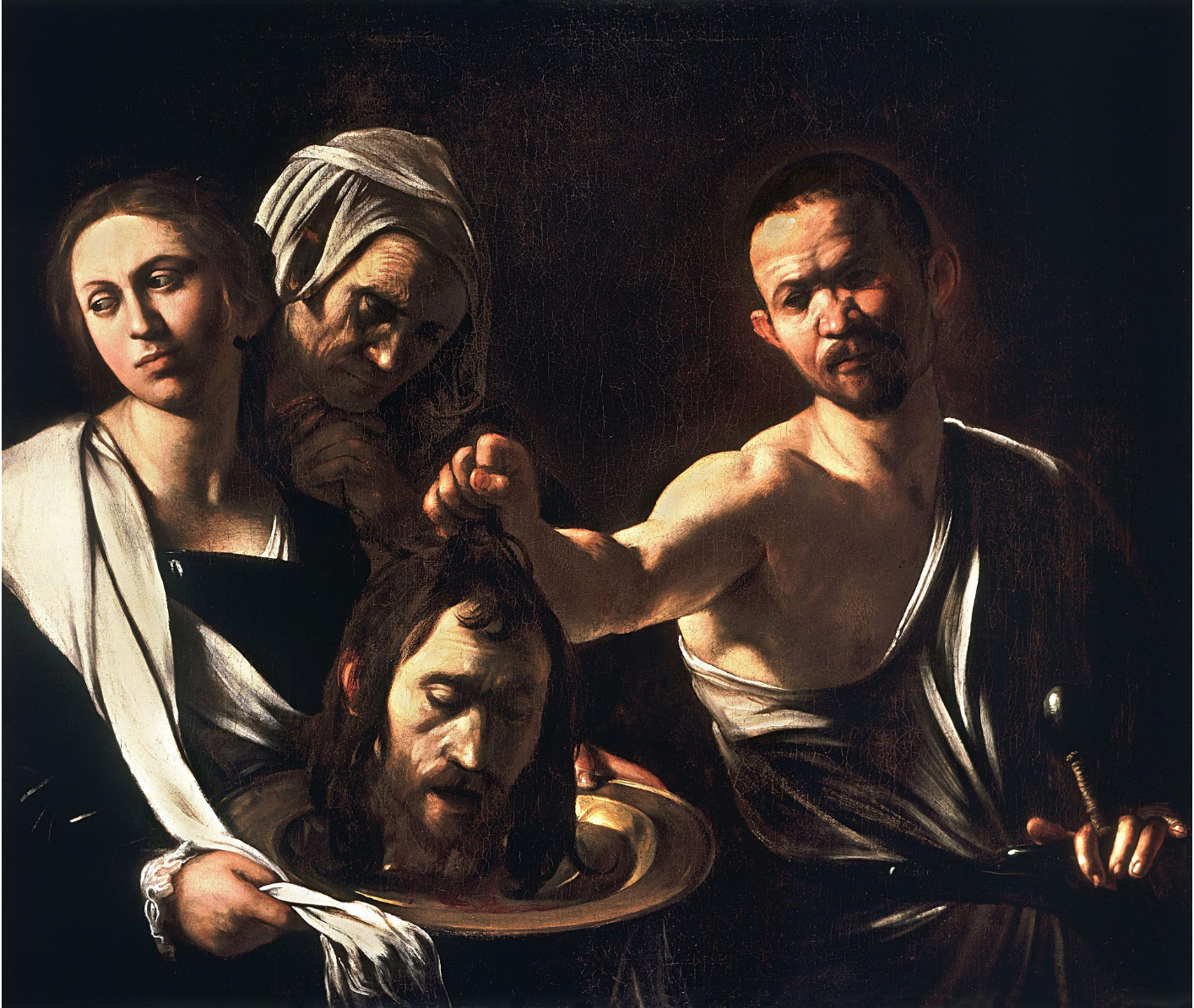
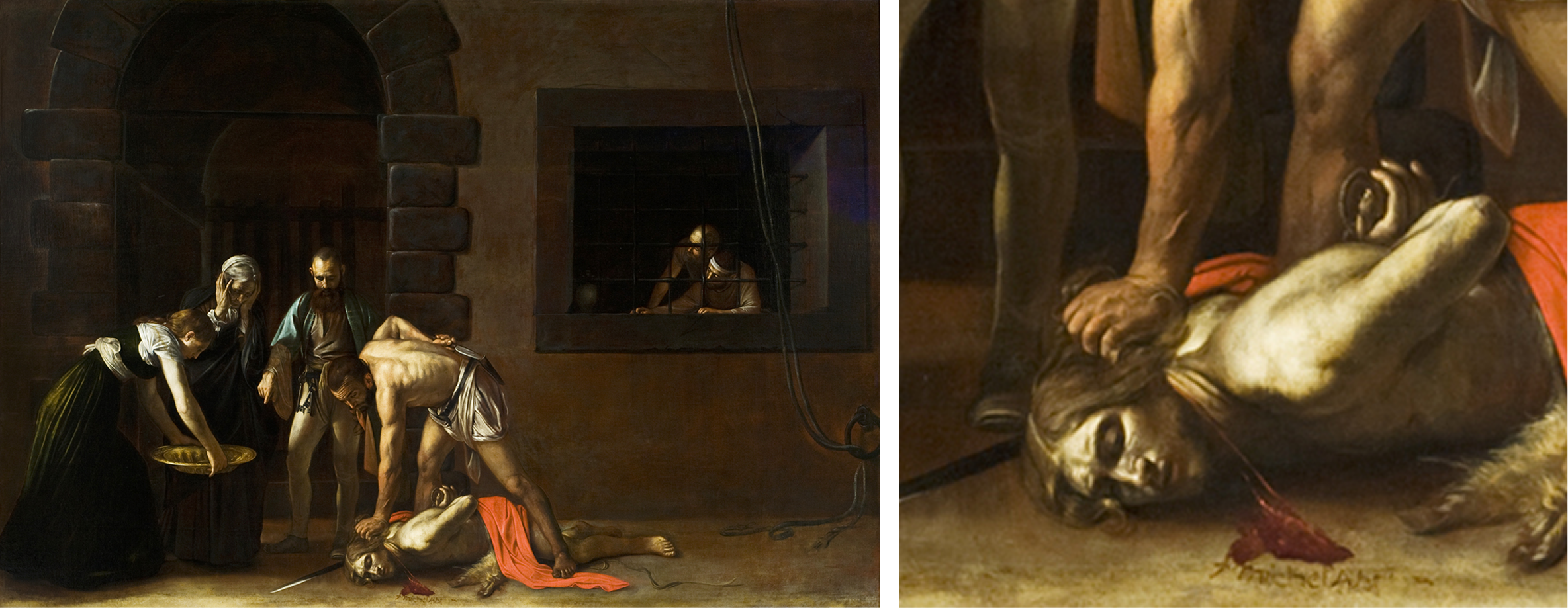
In Malta, he painted the beheading of John the Baptist: the only work he ever signed, inscribing his name in the saint's spilled blood. The painting's brutal realism came from a man who knew exactly what execution looked like, who painted it while awaiting the same fate.
Caravaggio had a macabre habit: he painted himself as martyrs and murder victims in his religious works. In David with the head of Goliath (1609–10), the severed head is Caravaggio's self-portrait. In The Martyrdom of Saint Matthew (1599–1600), he painted himself as a bystander witnessing murder. He seemed obsessed with his own death.
.jpg)
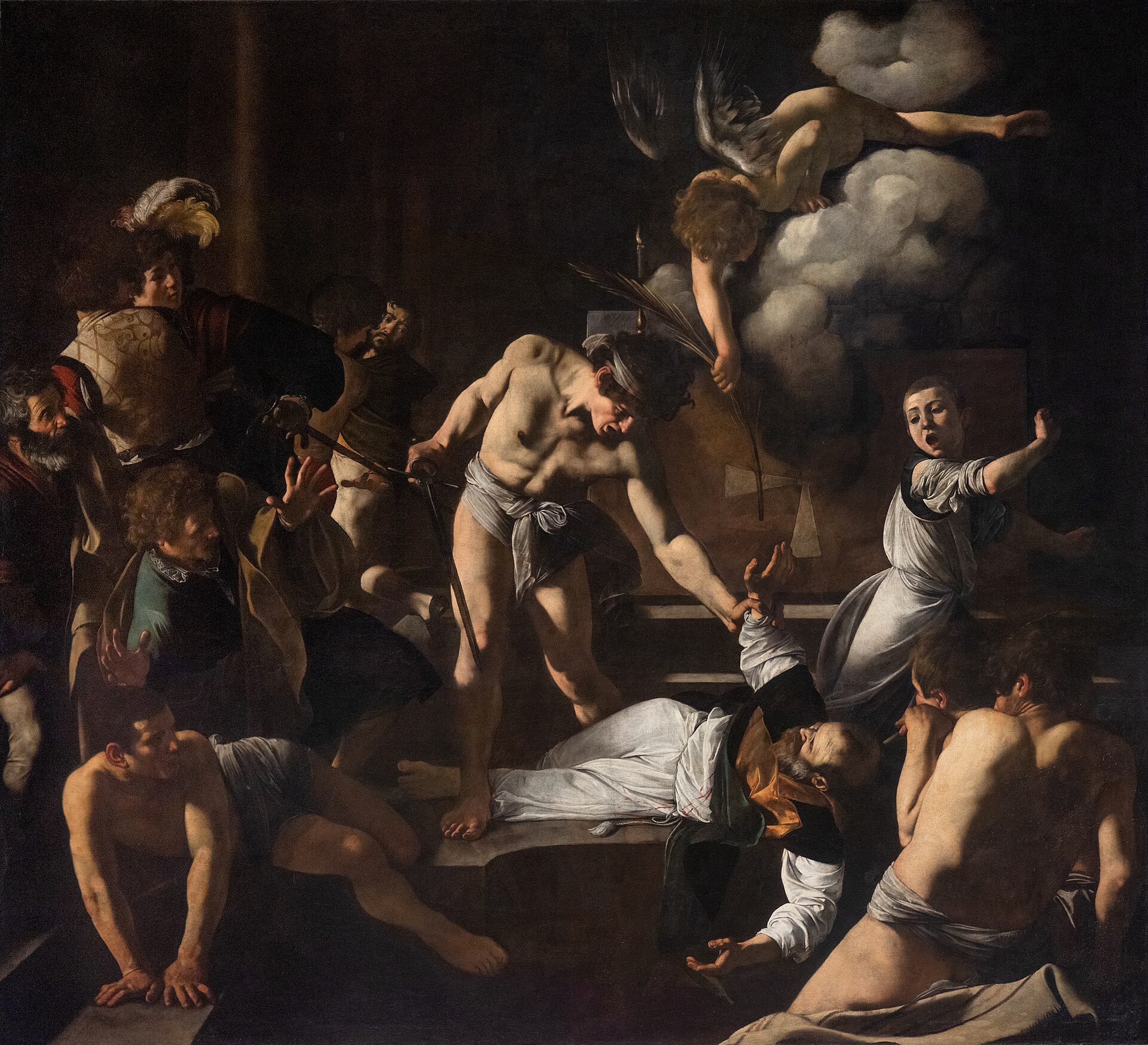
In 1610, Caravaggio received word that the Pope might pardon him. He boarded a boat to Rome, carrying three final paintings as gifts to secure his clemency. But he never arrived.
He died under mysterious circumstances at age 38 on a beach in Porto Ercole. Fever? Murder by bounty hunters? Revenge by Tomassoni's family? No one knows.
His body was lost for 400 years, until DNA testing in 2010 identified remains in a church ossuary as likely Caravaggio's, showing lead poisoning consistent with paint exposure. The paintings he carried that day have never been found.



%20logo.svg)