Michelangelo Merisi da Caravaggio didn't just paint scenes of violence and darkness, he lived them. The revolutionary Baroque painter who transformed art history was also a murderer, who spent his final four years creating masterpieces while running from execution.
On May 28, 1606, Caravaggio got into a fight over a tennis match with a man named Ranuccio Tomassoni. Swords were drawn. When it ended, Tomassoni lay dead and Caravaggio had a severe wound to his head. Whether it was self-defense or murder, 16th-century Roman law didn't care. The penalty was death by beheading.
Caravaggio fled Rome with a price on his head. The papal edict declared that anyone could kill him without consequence and bring his head to authorities for a reward. He would never return to Rome alive.
What's extraordinary is that Caravaggio produced some of his greatest works while on the run. He escaped to Naples, then Malta, then Sicily, painting masterpieces at each stop to earn the protection from powerful patrons. Each painting grew darker, more dramatic, and more violent than the last.
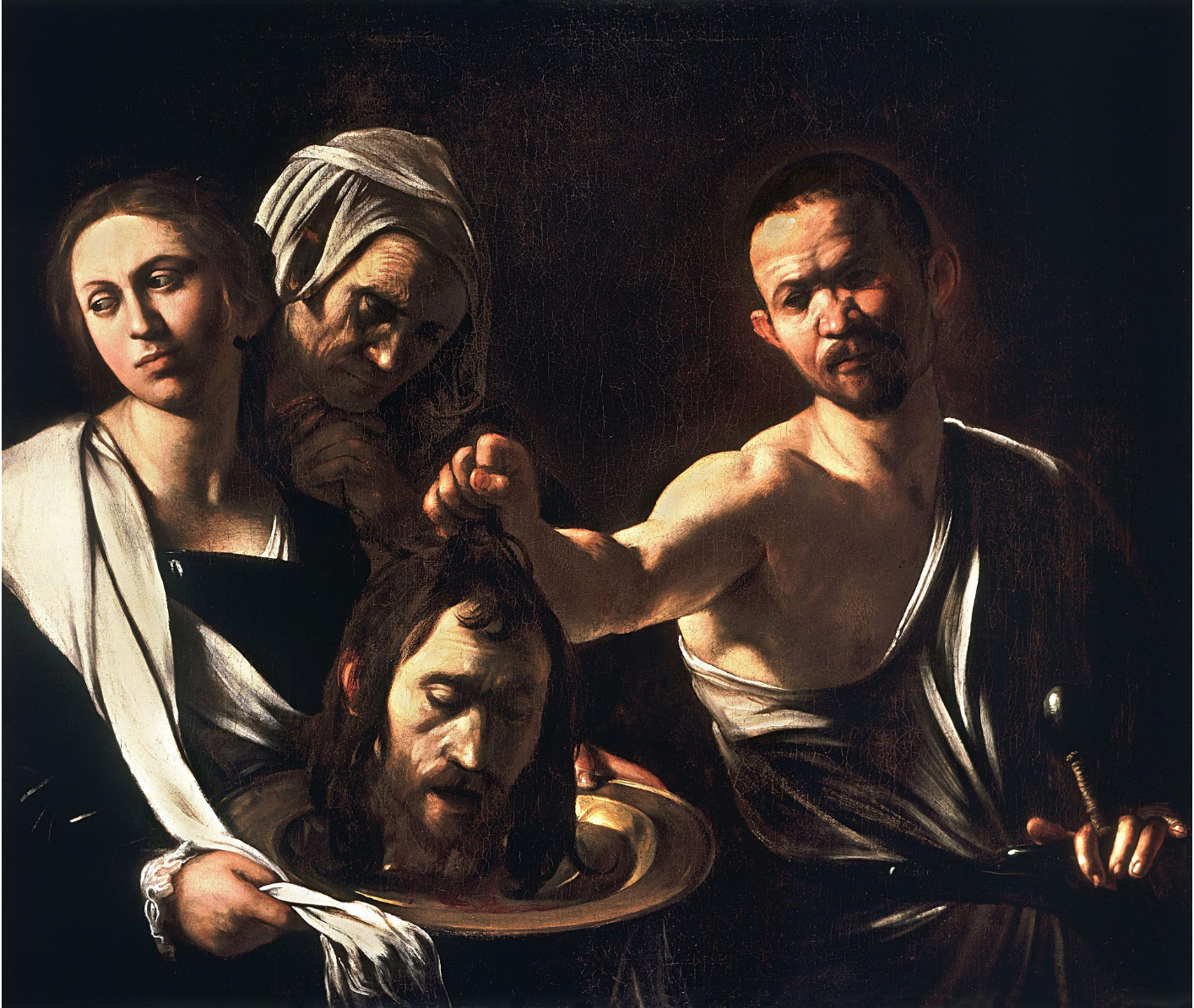
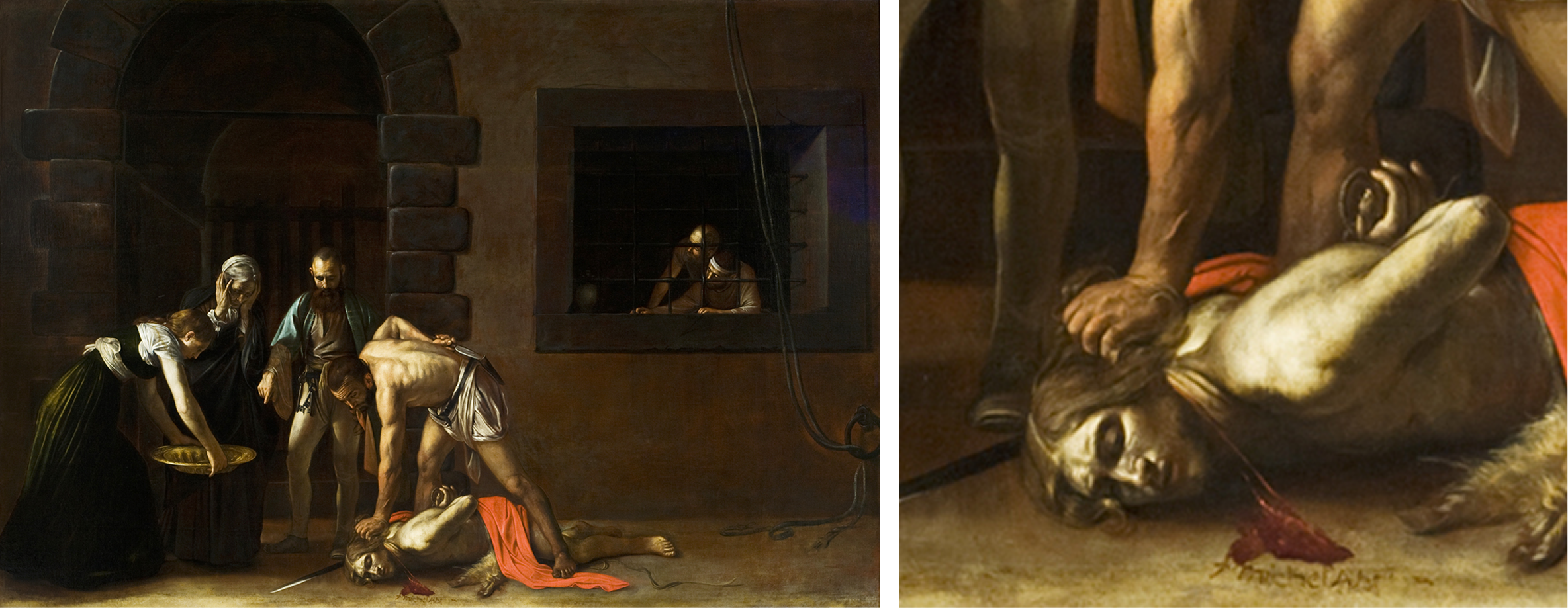
In Malta, he painted the beheading of John the Baptist: the only work he ever signed, inscribing his name in the saint's spilled blood. The painting's brutal realism came from a man who knew exactly what execution looked like, who painted it while awaiting the same fate.
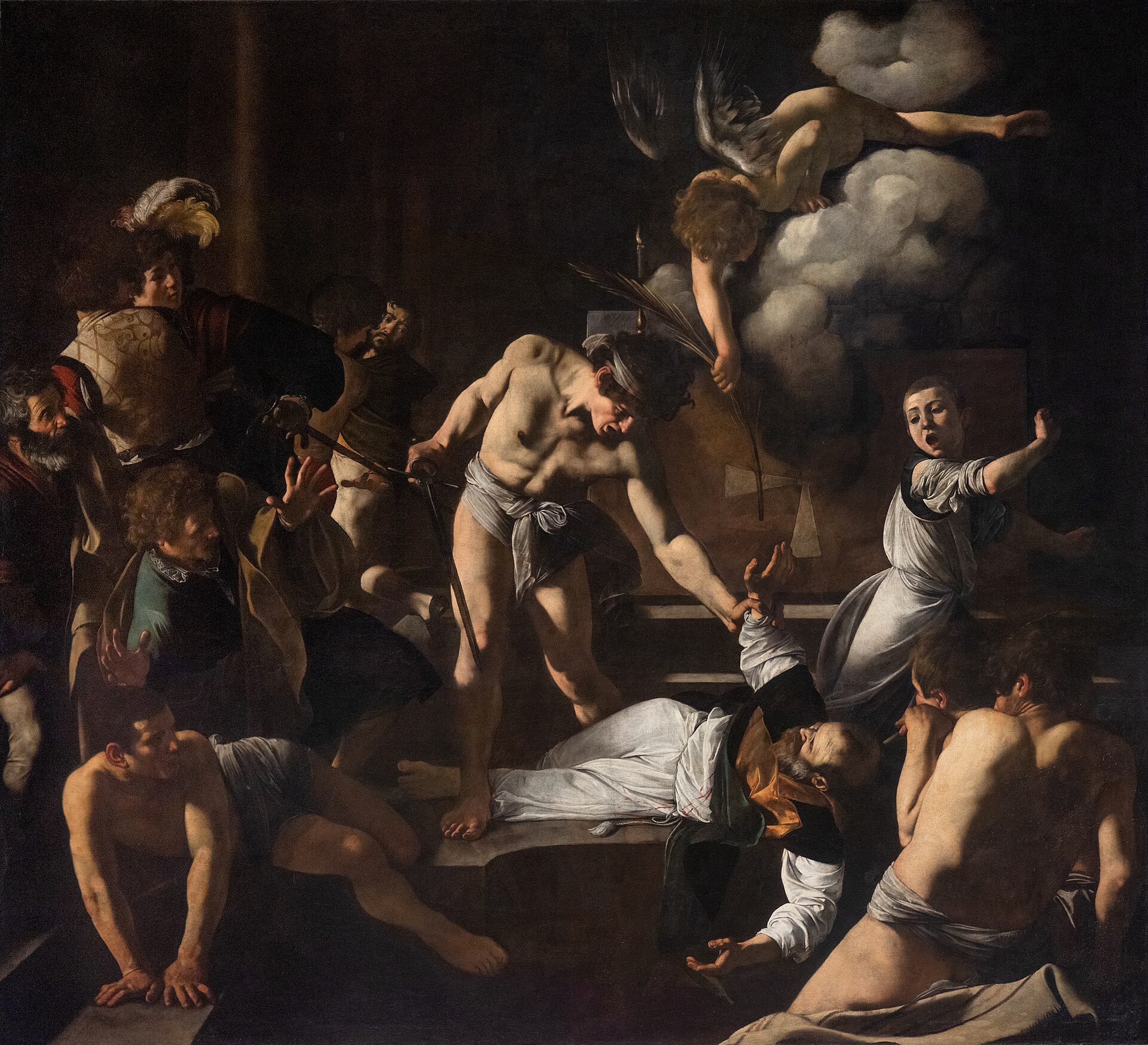
Caravaggio had a macabre habit: he painted himself as martyrs and murder victims in his religious works. In David with the head of Goliath (1609–10), the severed head is Caravaggio's self-portrait. In The Martyrdom of Saint Matthew (1599–1600), he painted himself as a bystander witnessing murder. He seemed obsessed with his own death.
.jpg)
In 1610, Caravaggio received word that the Pope might pardon him. He boarded a boat to Rome, carrying three final paintings as gifts to secure his clemency. But he never arrived.
He died under mysterious circumstances at age 38 on a beach in Porto Ercole. Fever? Murder by bounty hunters? Revenge by Tomassoni's family? No one knows.
His body was lost for 400 years, until DNA testing in 2010 identified remains in a church ossuary as likely Caravaggio's, showing lead poisoning consistent with paint exposure. The paintings he carried that day have never been found.

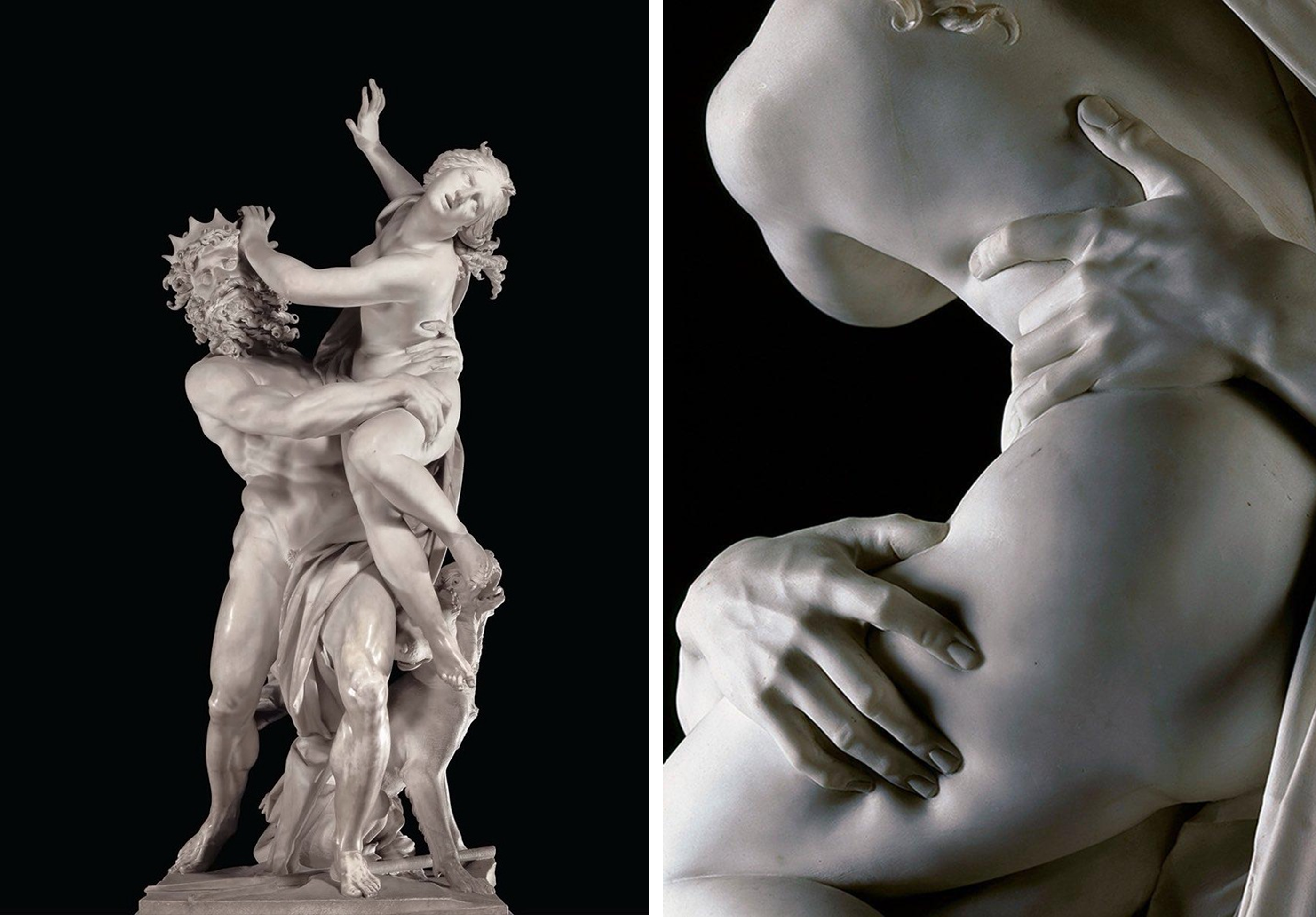
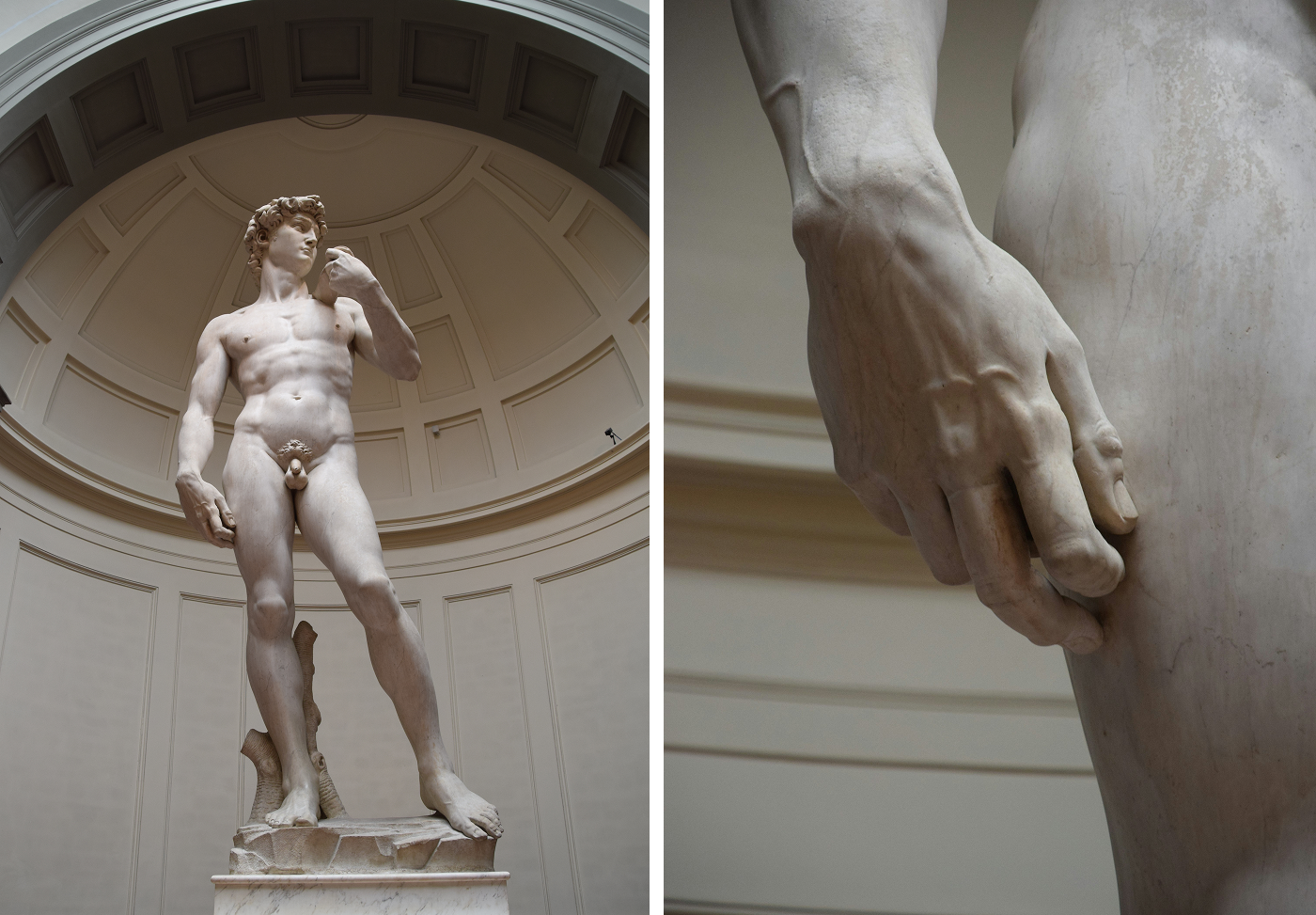
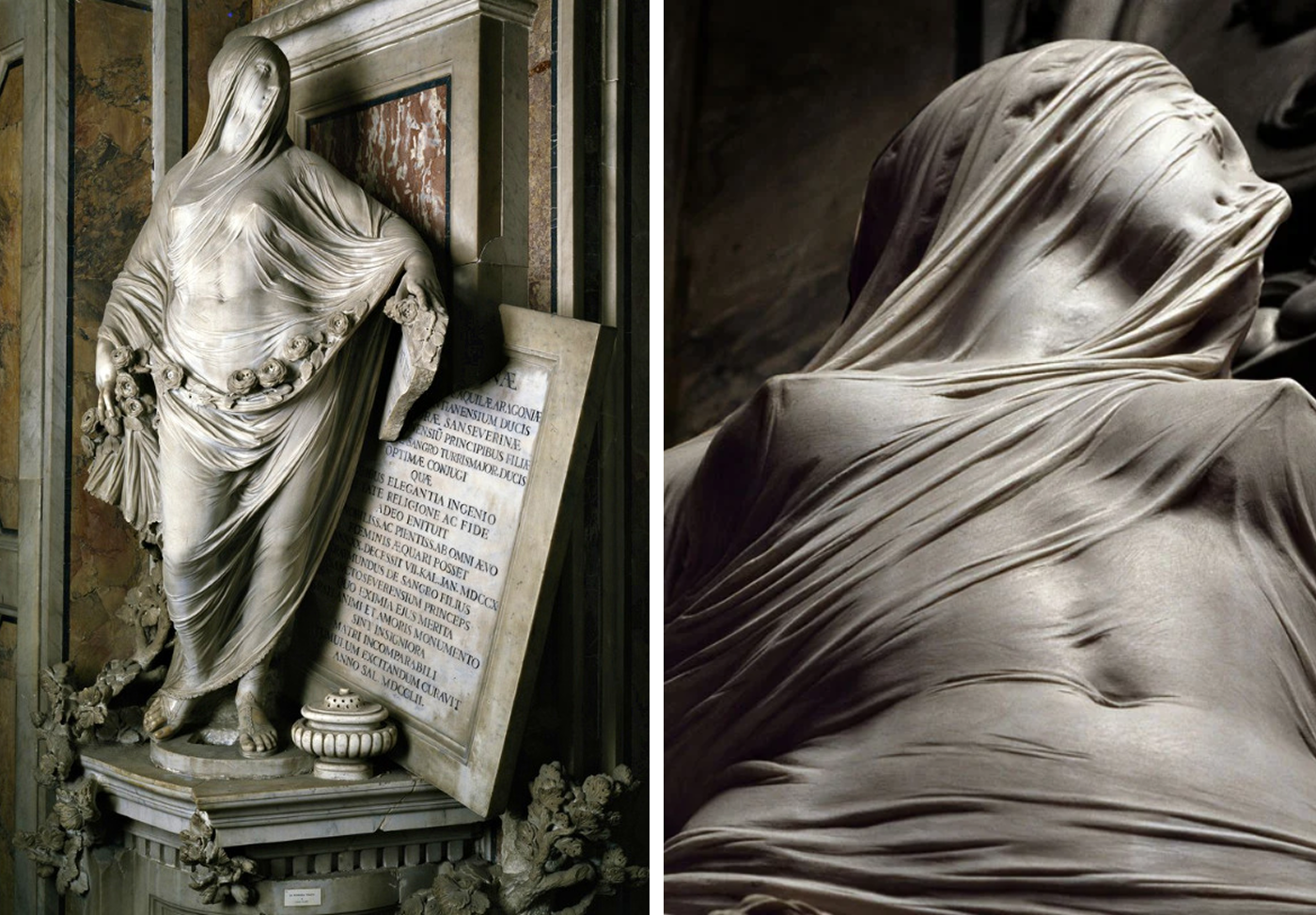
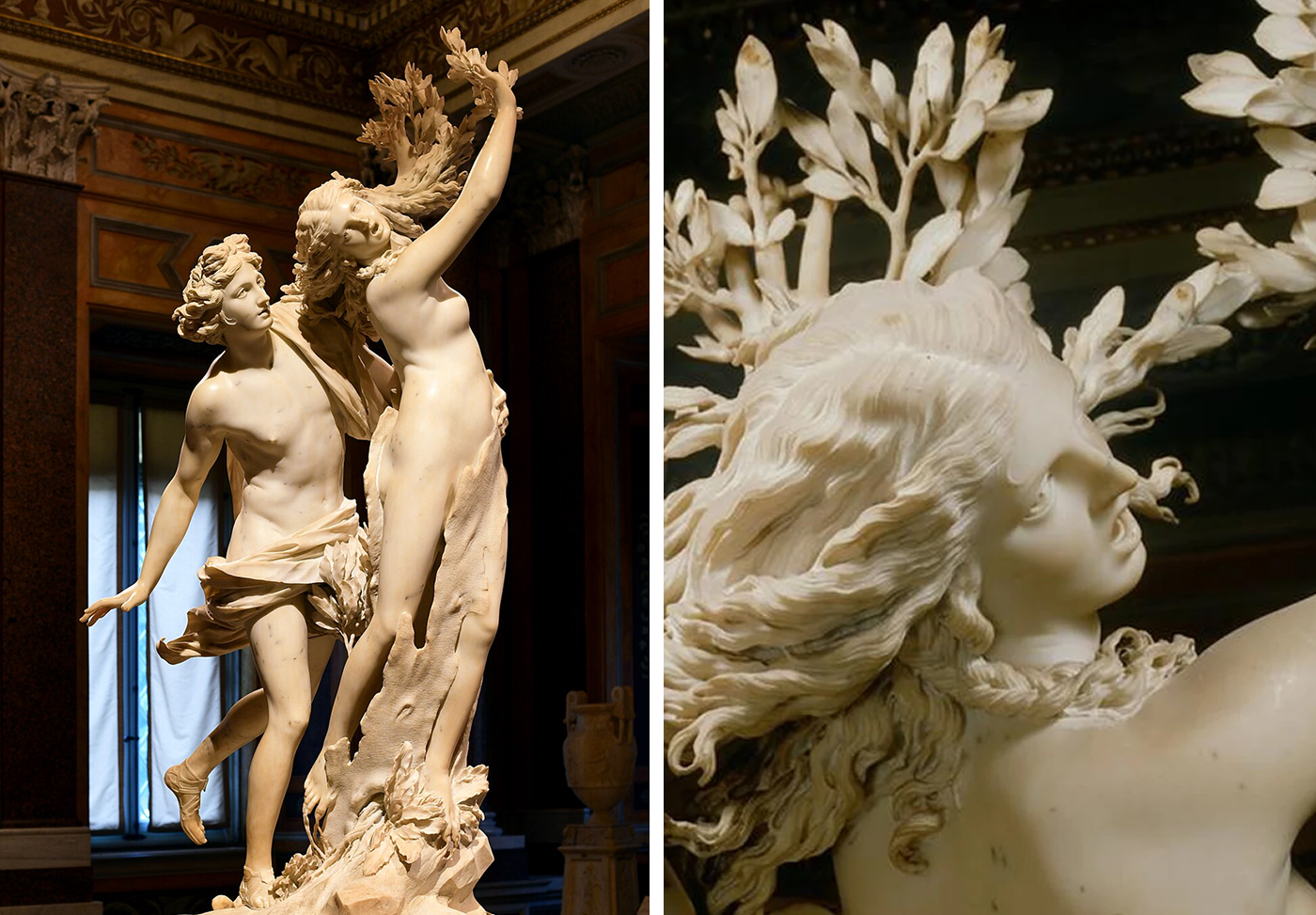
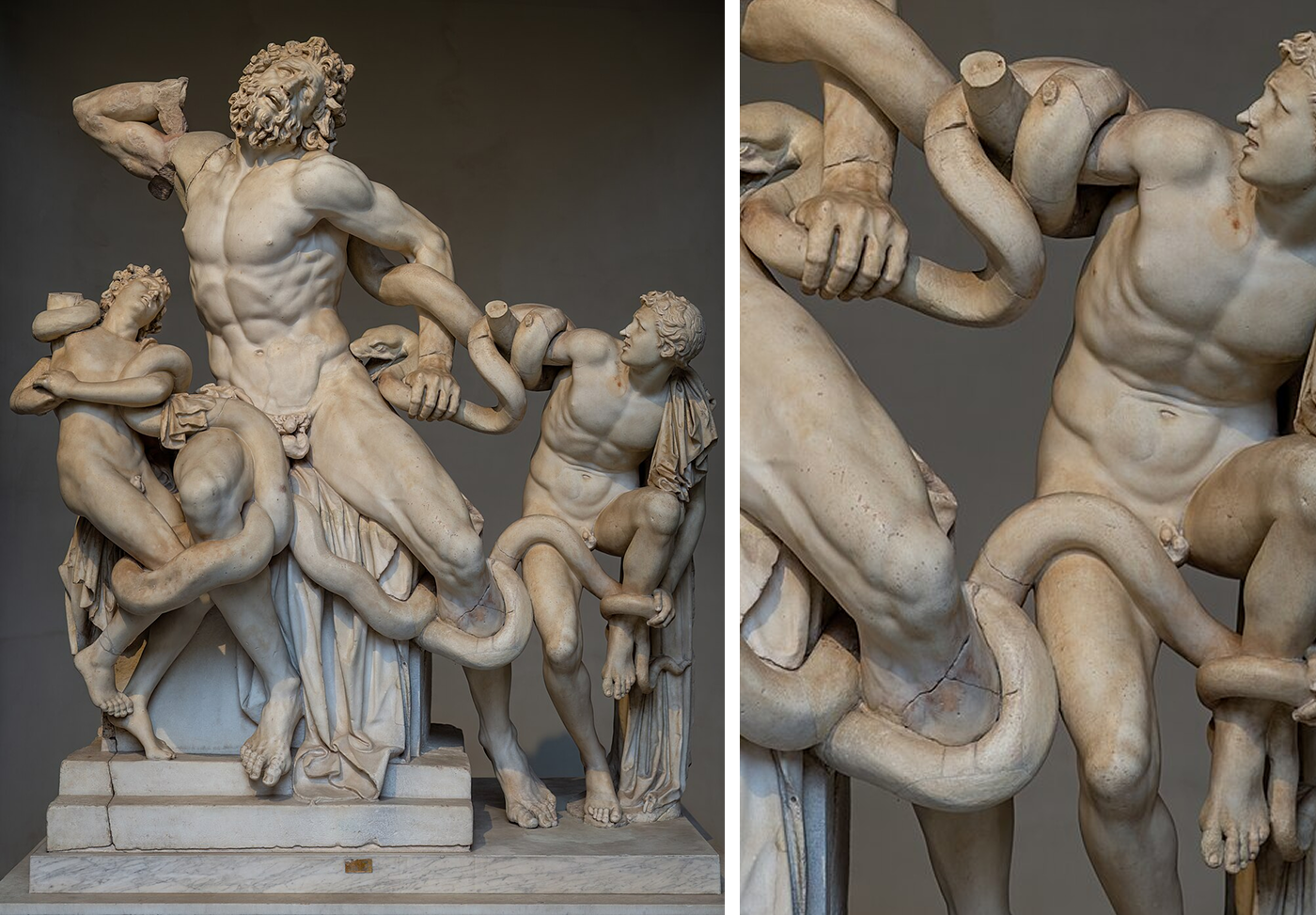
Leonardo da Vinci famously said, "Details make perfection, and perfection is not a detail." In the world of sculpture, this rings especially true. The finest works are defined not just by their overall impact but by the intricate details that bring them to life. Here, we introduce you to our favorite five sculptures that exemplify this mastery, where every detail has been meticulously carved to perfection.

¡Ay, caramba! In art restoration, good intentions don't always lead to good results.

A local tobacco shopkeeper took it upon herself to add some flair to the trio of 15th-century wooden sculptures using industrial enamel paint.
“I’m not a professional painter” Maria Luisa Menendez
The sculptures had been professionally restored just 15 years before but the parish priest apparently had given his blessing to the amateur.

This 500-year-old sculpture of Saint George was turned into a cartoon character after the church hired a local teacher for the job.

Re-restoring it cost $37,000! The church paid for the re-restoration to “somewhat” its original appearance.

Spanish amateur restoration’s latest victim...
In 2020, an art collector paid $1,200 for a furniture restorer to clean up his copy of The Immaculate Conception of El Escorial.
He Made 2 Attempts. But the restorer only took it from worse to worser.

Initially suspected as vandalism, the alterations were instead the creation of an 81-year-old parishioner.
“They didn’t let me finish” - Cecilia Giménez
Remarkably, this restoration turned into a notorious attraction, ultimately revitalizing the struggling economy of the small Spanish town. The Sanctuary of Mercy Church in Borja had around 46,000 visits between August and December 2012.

Some voices in Spain are now calling for tighter rules for art restoration...
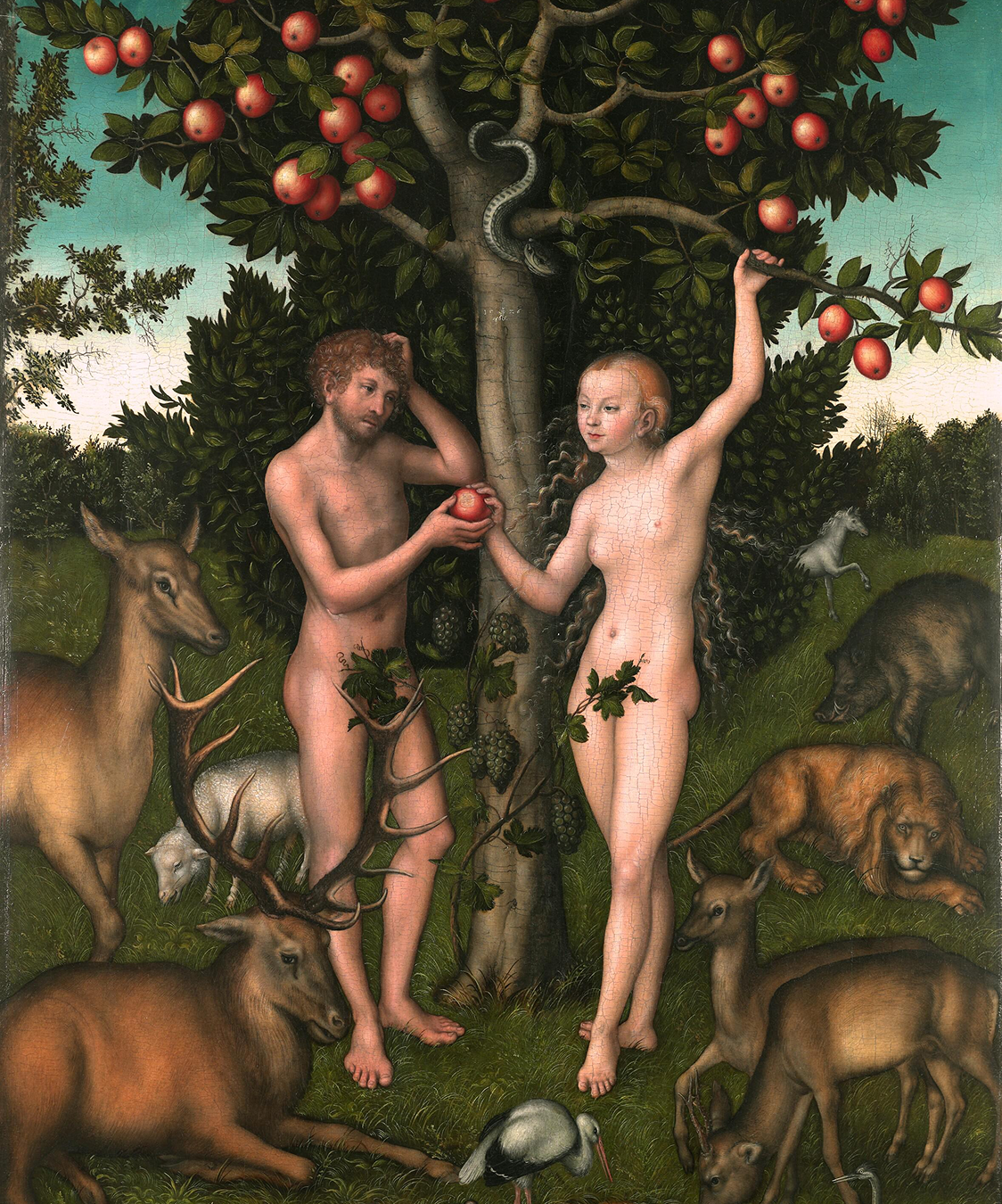
In the ancient world, body hair was largely removed. Greek and Roman men might have had some stylised pubic hair in their art, but women? If they appeared nude at all (which was rare), they were usually depicted without a single strand below the neck. Prudish? Perhaps. But by the Middle Ages, a hairless pubis had taken on an entirely different connotation—one tied to prostitution.
To keep things "decent," artists covered up genitals with fig leaves, flowing fabrics, or strategically placed hands. Even classical Greek sculptures, famous for their idealised male physiques, often had their "manhood" modestly veiled. But, of course, there were exceptions. In 1540, German engraver Heinrich Aldegrever gave us a glimpse of Eve with an impressive, centre-parted bush.

Around the same time, Bronzino’s An Allegory with Venus and Cupid (1545) might be the first Western painting to depict female pubic hair… if you squint hard enough.

While the Renaissance and Baroque masters mostly kept their nudes bare, artists like Rubens and Rembrandt ensured their figures had at least a wisp of modesty. Then, in 1800, Francisco Goya changed the game with La Maja Desnuda—a nude so unashamed that, yes, you could actually see her pubic hair.

Fast-forward to 1814: Napoleon’s sister commissioned The Sleeper of Naples from Jean-Auguste-Dominique Ingres and, for once, a female nude was painted with the same hairy detail that men had always received. Unfortunately, the painting was lost, and we only have a 1911 study to go by.
Meanwhile, in Japan, artists like Hokusai were already well ahead in the pubic hair department. His shunga (erotic art) often depicted women with full, natural pubes—a stark contrast to the West, where the mere suggestion of such hair was scandalous. In fact, in Japan, it was shaved pubic hair that was linked to prostitution, a cultural association that still lingers today.
The 19th century was a tumultuous time for pubic hair in art. In 1866, Gustave Courbet painted L’Origine du Monde—a bold, unapologetic celebration of the female form in all its hirsute glory. But the world wasn’t ready. The painting was kept hidden for 122 years before finally being publicly displayed in 1988.

For Victorian-era audiences, the mere sight of pubic hair was considered shocking. Just ask art critic John Ruskin. Legend has it that on his wedding night, he was so horrified by his wife Effie’s natural pubic hair (having only seen hairless statues before) that he fled and never consummated the marriage. The union was annulled a few years later.
By the late 1800s, artists like Van Gogh, Klimt, and Schiele were challenging the norms of beauty and eroticism. Schiele, in particular, painted women in unashamedly provocative poses, complete with wild, untrimmed pubic hair. Klimt’s Nuda Veritas (1899) caused an uproar, while Oskar Kokoschka’s nudes leaned more into the naturalistic than the erotic.

By 1917, the pubic taboo had mostly faded in art. Amedeo Modigliani’s signature elongated figures often included a neatly shaped triangle of hair—perhaps the inspiration for the "Brazilian" trend of today.
Throughout history, pubic hair in art has been erased, censored, scandalised, and celebrated. Whether it's hidden behind fig leaves or boldly on display, the way we depict the body reflects cultural attitudes of the time.
So, the next time you see a classical nude, take a closer look—you might just spot a tiny but significant piece of history.



%20logo.svg)