
In 1642, Captain Frans Banning Cocq commissioned Rembrandt to paint his civic guard company. Eighteen militiamen paid to be included, expecting equal prominence in a traditional group portrait. Instead, Rembrandt created a dynamic action scene with dramatic lighting that highlighted some figures while obscuring others in shadow.
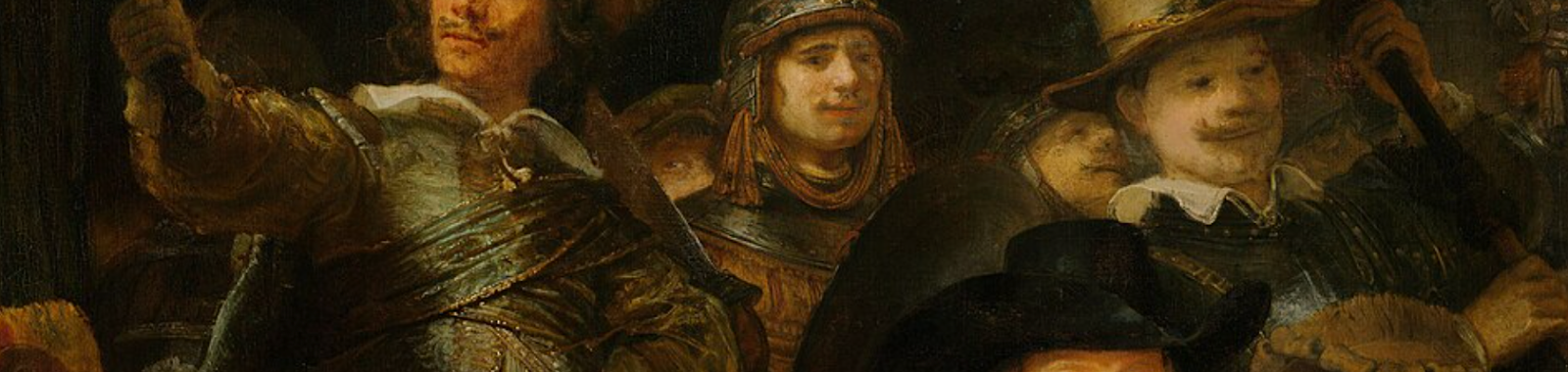
The men in the shadows weren't pleased. They'd paid the same fee (roughly 100 guilders each, about $2,000 today) but appeared as mere background characters. Some were so dark you could barely make-out their faces. This wasn't just bad positioning: it was a social insult in 17th-century Amsterdam.
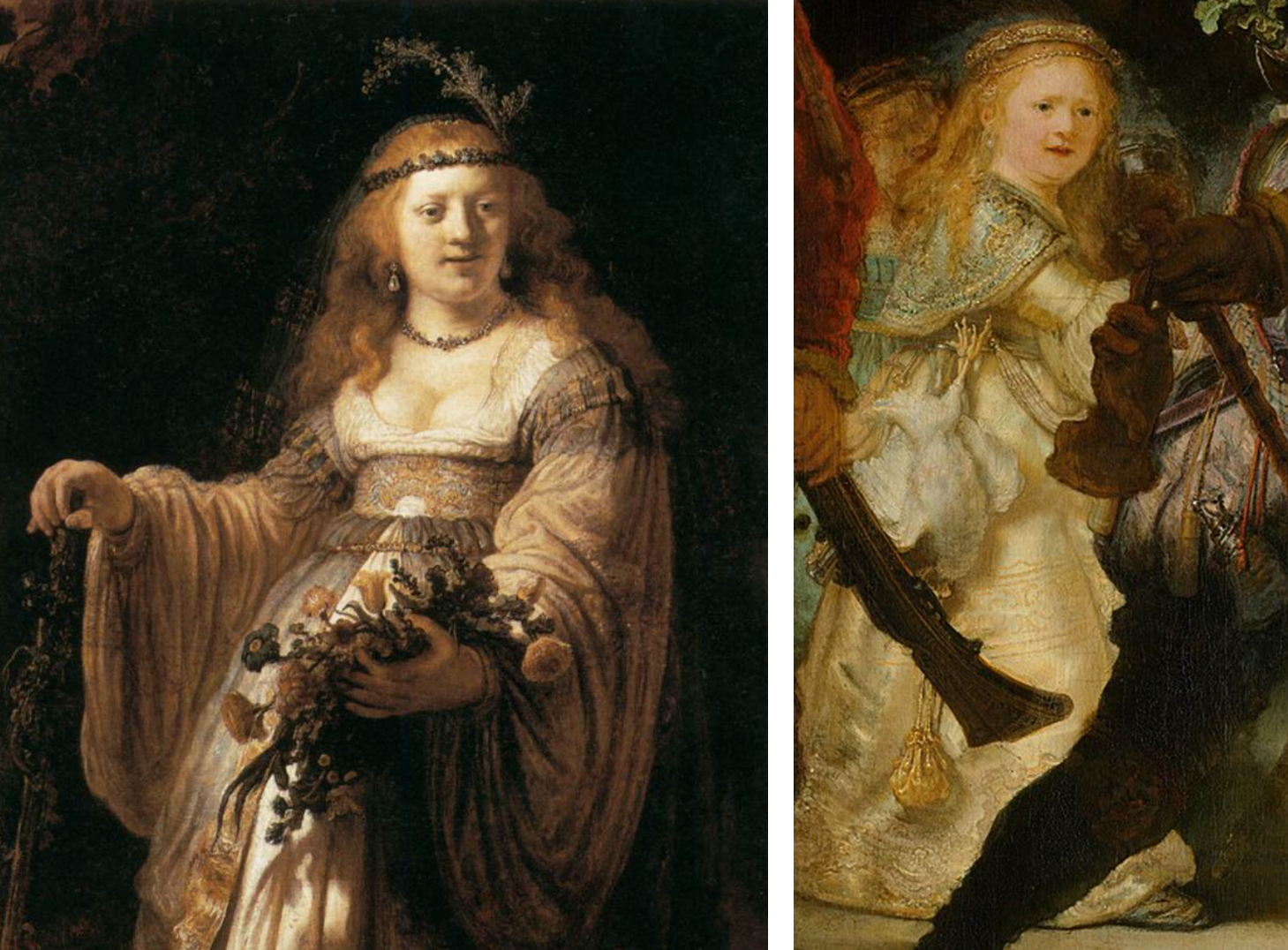
The painting's strangest element is a small girl in a golden dress, illuminated by mysterious light, wearing a dead chicken at her belt (a symbol of the civic guard). No one paid for her inclusion. Who is she? Art historians have debated for centuries. Some believe she's Rembrandt's deceased wife Saskia, who died that same year, inserted as a ghostly presence.
Recent analysis suggests the painting may reference a real scandal. The chicken claws on the girl's belt form a symbol that in 17th-century Amsterdam was code language used by members of a particular civic guard faction. The way certain figures' hands are positioned may indicate secret society signs. Was Rembrandt documenting internal power struggles and betrayals within the guard?
After the painting was delivered, Rembrandt's career mysteriously declined. He never received another major commission from Amsterdam's elite. Coincidence?
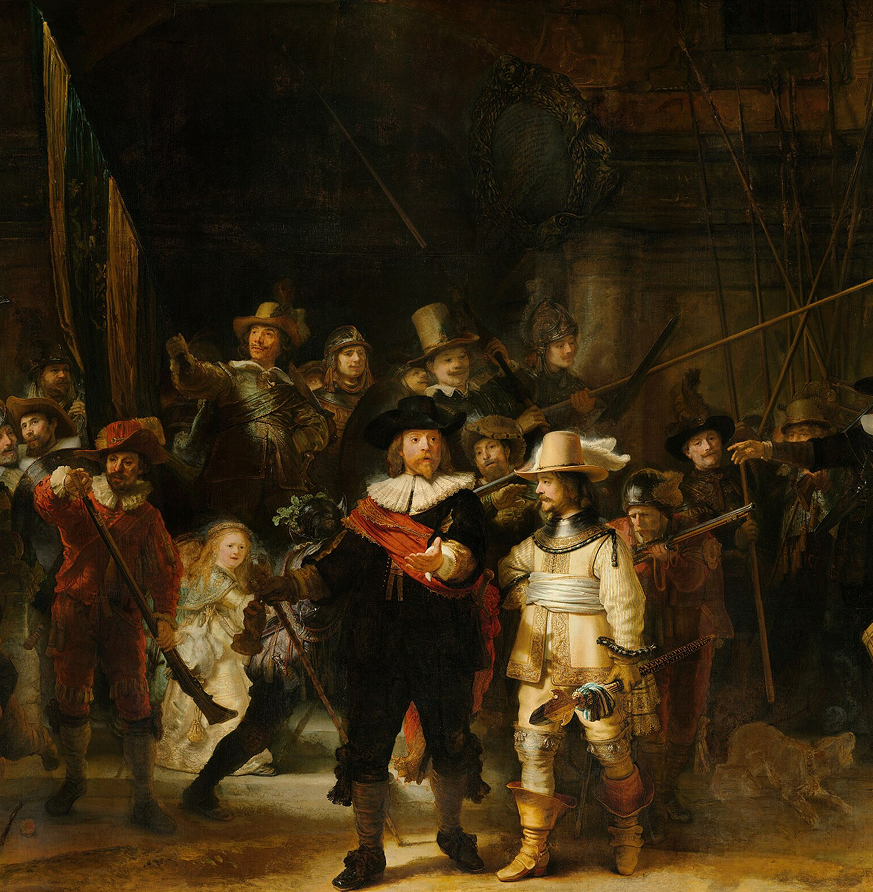
In 1642, Captain Frans Banning Cocq commissioned Rembrandt to paint his civic guard company. Eighteen militiamen paid to be included, expecting equal prominence in a traditional group portrait. Instead, Rembrandt created a dynamic action scene with dramatic lighting that highlighted some figures while obscuring others in shadow.
The men in the shadows weren't pleased. They'd paid the same fee (roughly 100 guilders each, about $2,000 today) but appeared as mere background characters. Some were so dark you could barely make-out their faces. This wasn't just bad positioning: it was a social insult in 17th-century Amsterdam.
The painting's strangest element is a small girl in a golden dress, illuminated by mysterious light, wearing a dead chicken at her belt (a symbol of the civic guard). No one paid for her inclusion. Who is she? Art historians have debated for centuries. Some believe she's Rembrandt's deceased wife Saskia, who died that same year, inserted as a ghostly presence.
Recent analysis suggests the painting may reference a real scandal. The chicken claws on the girl's belt form a symbol that in 17th-century Amsterdam was code language used by members of a particular civic guard faction. The way certain figures' hands are positioned may indicate secret society signs. Was Rembrandt documenting internal power struggles and betrayals within the guard?
After the painting was delivered, Rembrandt's career mysteriously declined. He never received another major commission from Amsterdam's elite. Coincidence?
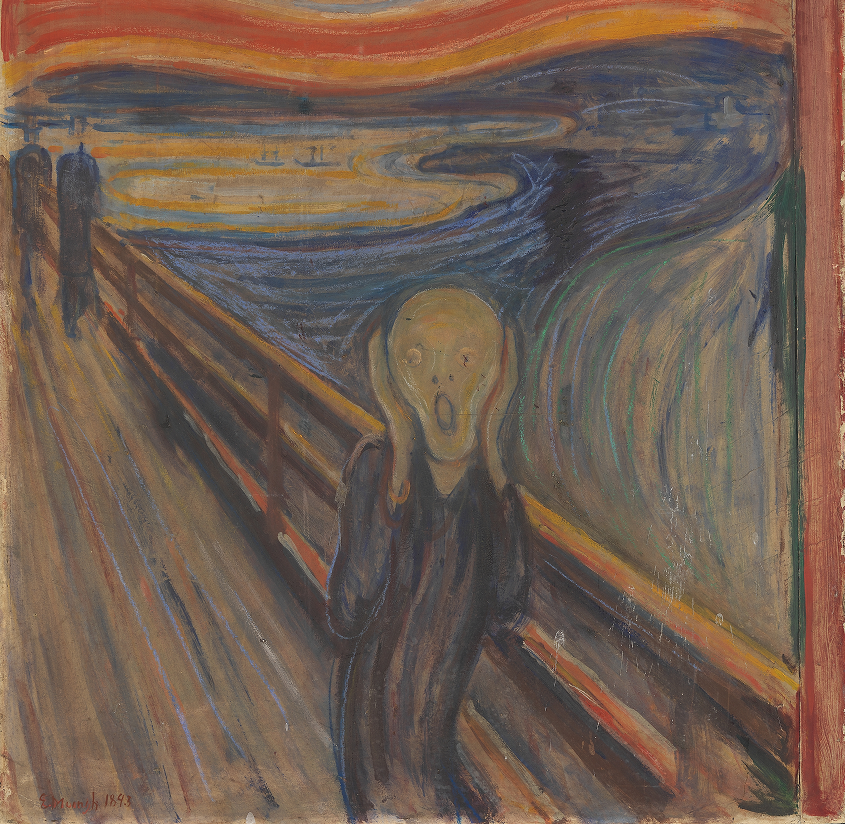
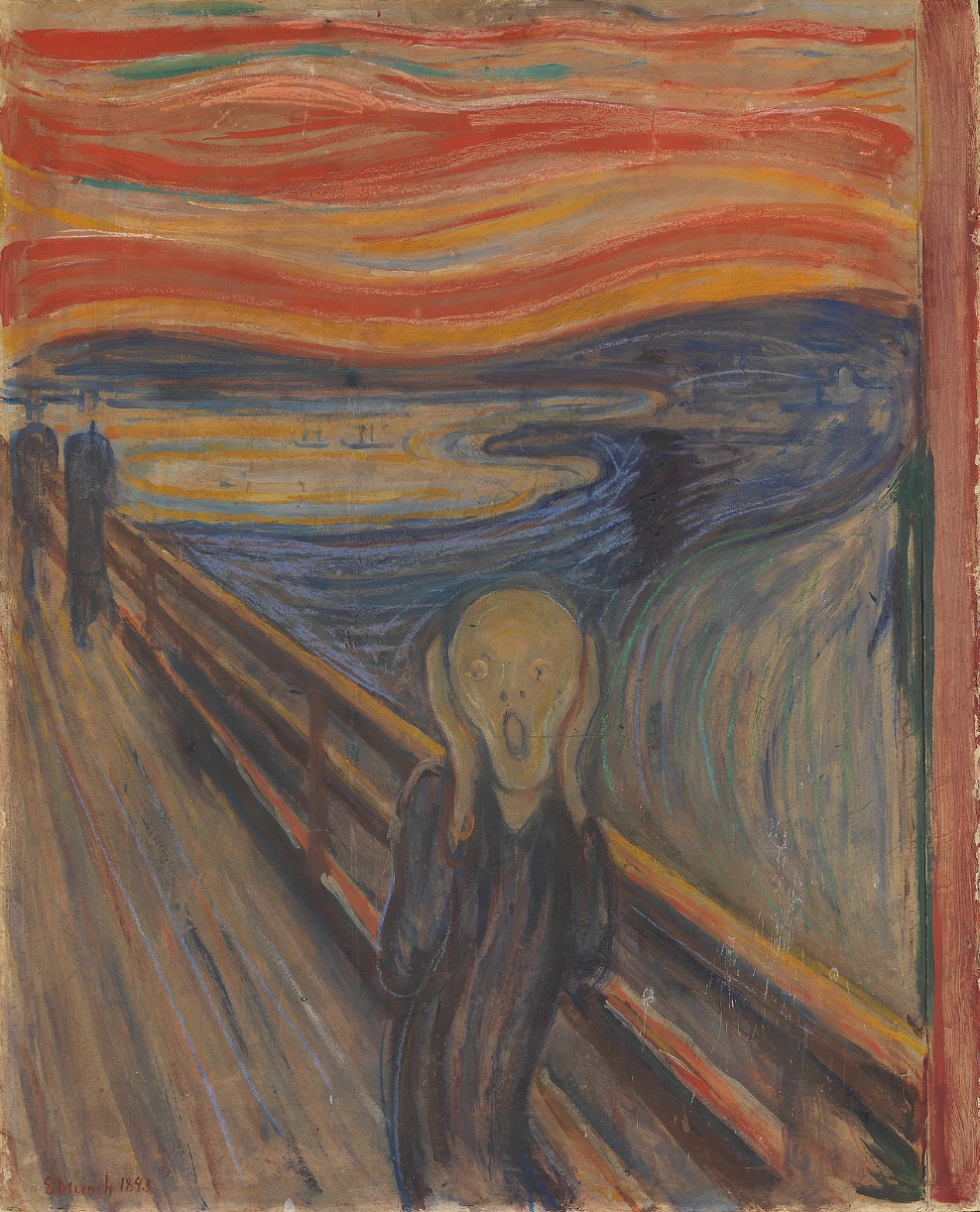
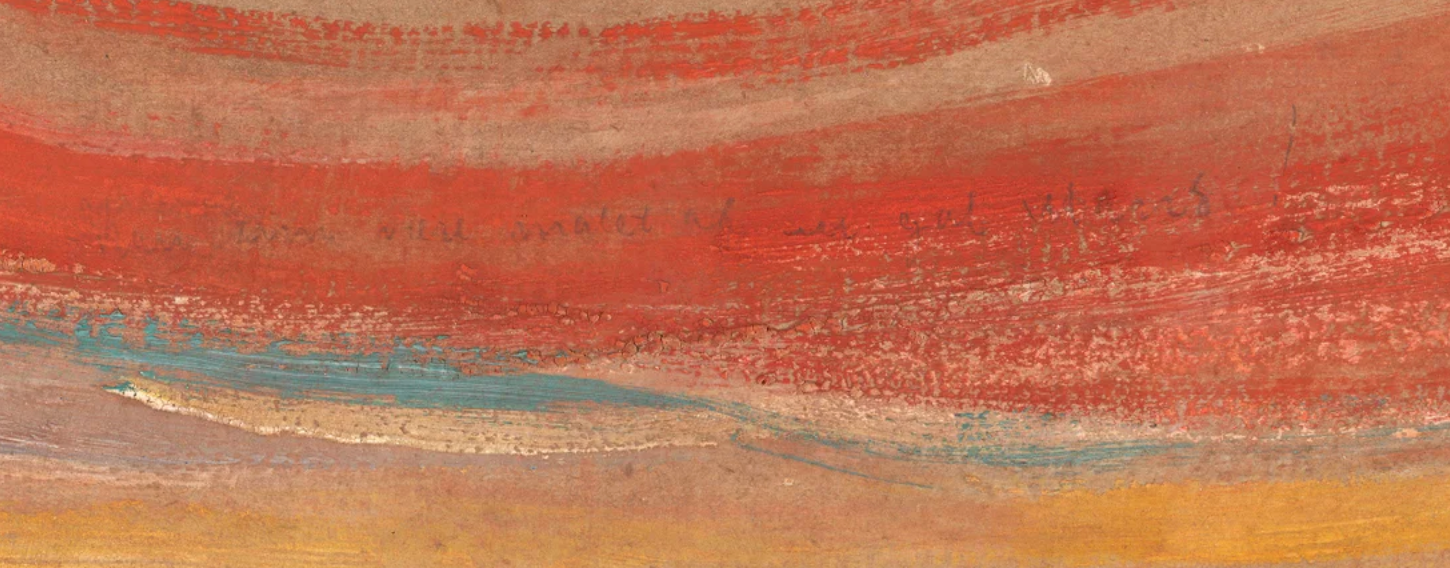
For decades, no one knew what to make of them. Some believed they were the work of a vandal. The truth remained a mystery until 2021, when infrared imaging and handwriting analysis finally settled the debate.
The words were written by Munch himself. The revelation transformed the painting from an expression of terror into something even more intimate: a quiet confession. The inscription appears on only one of the four known versions of The Scream.
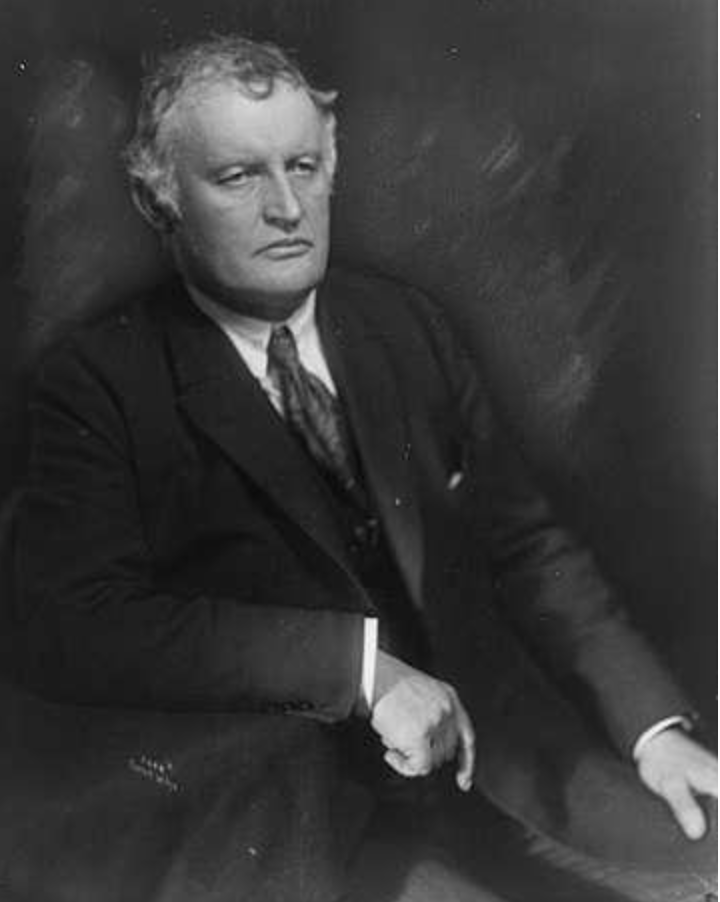
The image was born from a single night that left a permanent mark on Munch. He later described the experience in his diary, and his words are as haunting as the painting itself:
“I was walking along the road with two friends—the sun was setting—suddenly the sky turned blood red—I paused, feeling exhausted, and leaned on the fence—there was blood and tongues of fire above the blue-black fjord and the city. My friends walked on, and I stood there trembling with anxiety—and I sensed an infinite scream passing through nature.”
That moment of dread did not come out of nowhere. Munch’s life was already steeped in loss and fear. His mother and one of his sisters had died of tuberculosis when he was young. Another sister was later committed to a mental asylum. He struggled with alcoholism, anxiety, and recurring breakdowns. Mental illness haunted his family, and Munch lived with the constant fear that madness was not just around him, but inside him, waiting.
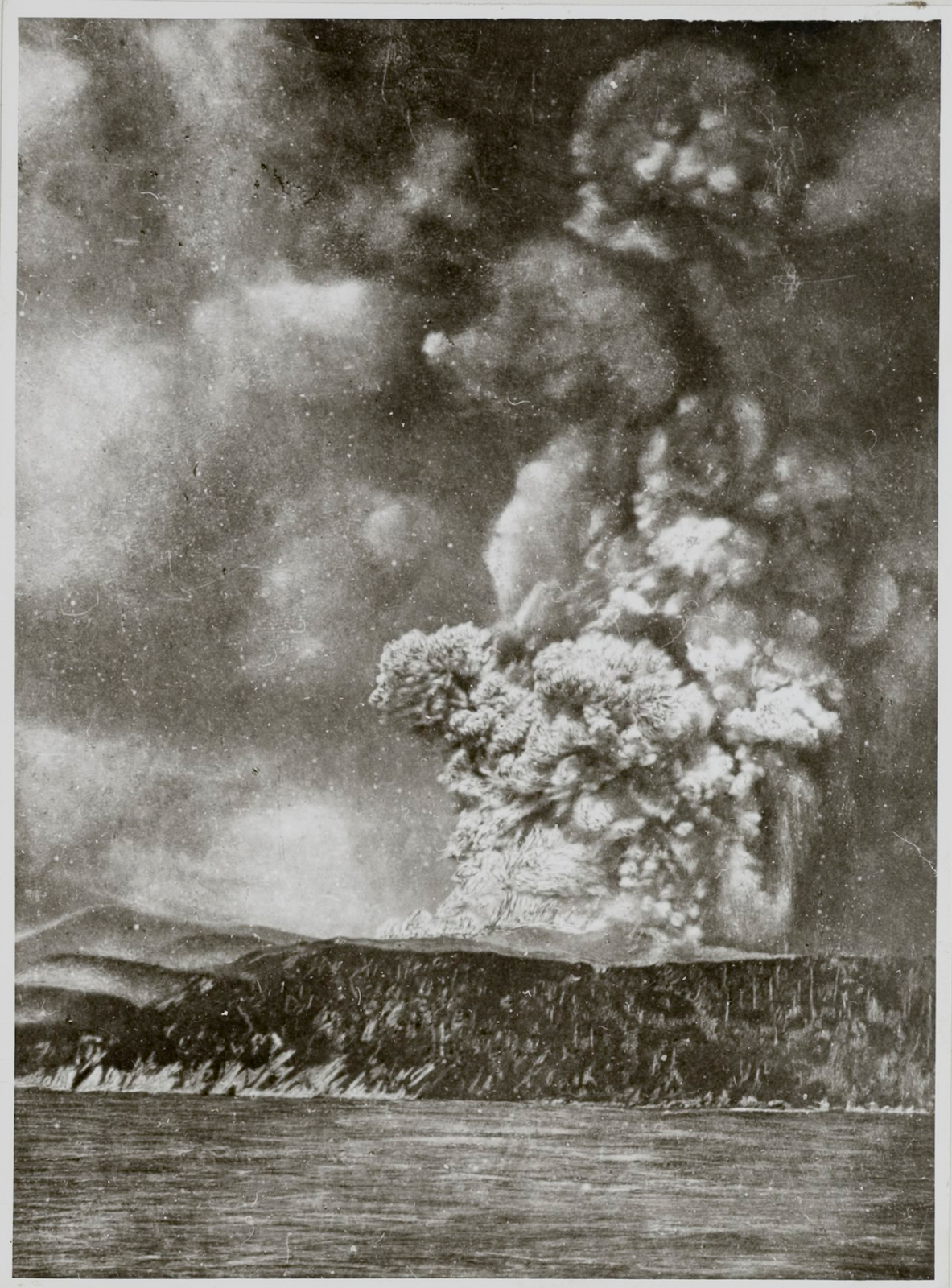
And that burning red sky may not have been pure imagination. Some scientists believe it was inspired by the eruption of the Krakatoa volcano in Indonesia in 1883. The explosion sent ash particles high into the atmosphere, creating spectacular, blood red sunsets around the world for years.
So why would Munch scribble such a brutal line over his own masterpiece?
The words were added after The Scream was first exhibited in 1895, after critics reacted rather harshly. One review mocked the work, suggesting that only a madman could have painted something so disturbing. Munch did not argue publicly. Instead, he responded in pencil, writing the accusation himself in letters so faint they almost disappeared into the paint. It was defiance, irony, and self-awareness all at once.
The painting’s troubled history does not end there. The Scream was stolen twice, once in 1994 and again in 2004, and recovered both times. Four versions of the work exist today. One of them, the 1895 pastel, sold for $119.9M in 2012, making it one of the most expensive ever sold.
What remains is an image that still screams across time, and a single sentence, nearly erased, that asks whether madness was the subject of the painting, or its source.

If so, you might have experienced something called ‘museum fatigue’. This phenomenon can affect even the most enthusiastic culture buff, and refers to a sense of feeling increasingly overwhelmed and exhausted as you mooch around a museum or gallery.

The term ‘museum fatigue’ was first coined by Benjamin Ives Gilman in 1916. He focused on how the placement of exhibits led to unnecessary physical strain, causing us to tire ourselves out. But since then, researchers have also come to recognise the mental toll of a museum visit. This stems from a number of factors, including:
Information overload – where the sheer amount of information in a museum gets a bit much. This includes lengthy gallery labels and descriptions, as well as the exhibits themselves!
Object competition – when different exhibits in the same space battle it out for our attention. This prevents us from focusing properly on a single piece and erodes our overall engagement with a museum.
And last but not least, satiation – where we take in a number of similar pieces in a row, causing us to become progressively less interested. (One ancient Greek statue? Fantastic. One hundred? OK, now you’ve lost me.)
Together, these elements can contribute to an acute case of cultural burnout – and more than 100 years on from Benjamin Gilman, museum fatigue doesn’t look like going away.

So, it’s clear that something has to change; that we need a whole new way of approaching museums, and the amazing things in them. Because if we’re getting tired of Da Vinci and Van Gogh – of the Rosetta Stone and the Venus de Milo – then something has gone seriously, seriously wrong!



%20logo.svg)